BlackMesaIs
Pela luta pelos direitos indígenas
A NECESSIDADE BÁSICA NÃO MUDA
Se pudéssemos viajar no tempo e comparar o mundo agora e antes, vamos perceber que muitas coisas mudaram. Mas podemos notar que certas são constantes e não mudam como o tempo. E isto é, a necessidade de seres humanos para uma terra sustentável e habitável, com os recursos naturais saudáveis.
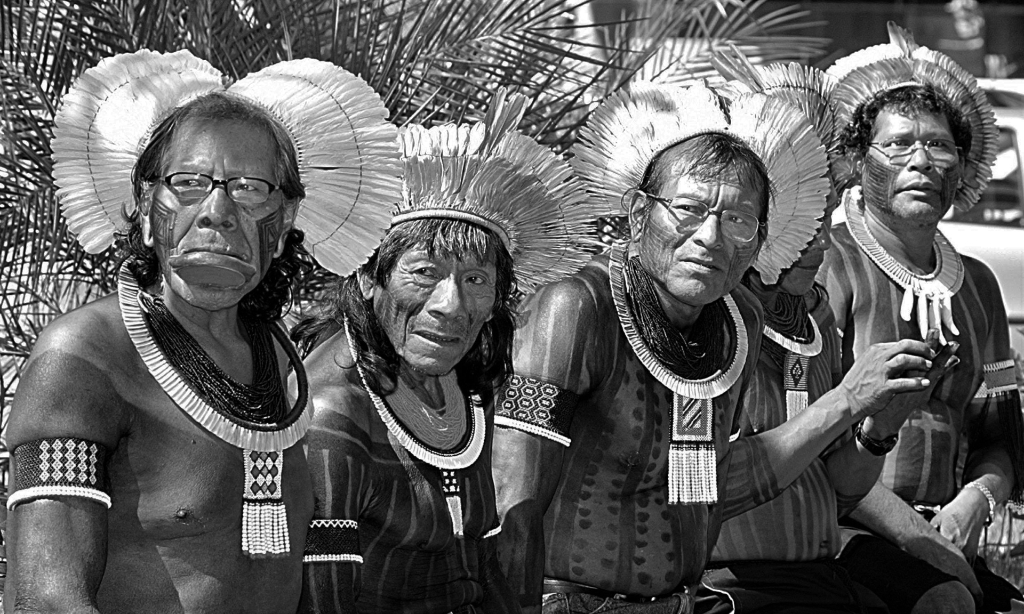
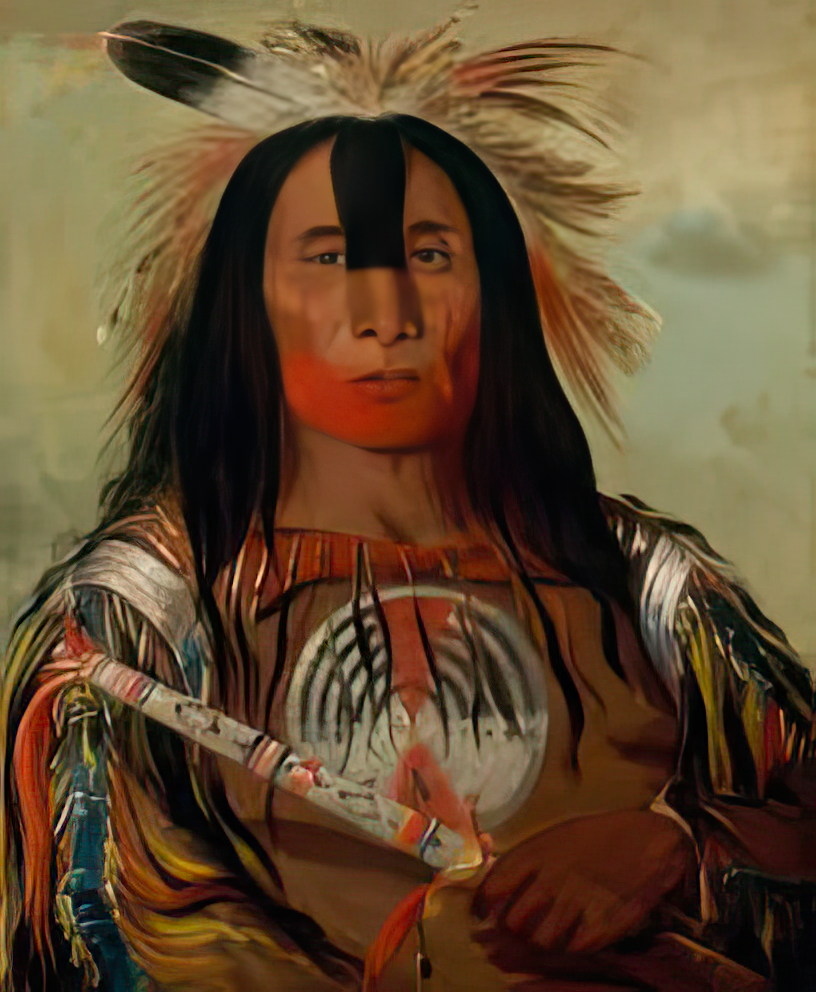
Durante os tempos antigos, os povos indígenas fizeram uso das coisas naturais, a fim de sobreviver. Eles sempre tiveram as cavernas como seus lares naturais. E quando souberam como usar madeira, eles começaram a construir casas simples que serviam com o único propósito de abrigar a família. Naquela época, eles usavam as folhas para a roupa, e, mesmo agora com toda tecnologia, alguns povos indígenas ainda preferem a tecer têxteis usando suas mãos e máquinas simples, que são mais manuais do que automática.
A NECESSIDADE BÁSICA NÃO MUDA
Se pudéssemos viajar no tempo e comparar o mundo agora e antes, vamos perceber que muitas coisas mudaram. Mas podemos notar que certas são constantes e não mudam como o tempo. E isto é, a necessidade de seres humanos para uma terra sustentável e habitável, com os recursos naturais saudáveis.
Durante os tempos antigos, os povos indígenas fizeram uso das coisas naturais, a fim de sobreviver. Eles sempre tiveram as cavernas como seus lares naturais. E quando souberam como usar madeira, eles começaram a construir casas simples que serviam com o único propósito de abrigar a família. Naquela época, eles usavam as folhas para a roupa, e, mesmo agora com toda tecnologia, alguns povos indígenas ainda preferem a tecer têxteis usando suas mãos e máquinas simples, que são mais manuais do que automática.
E as suas refeições? Seus medicamentos? O ar que você respira? O chão que você pisa? Estas são coisas somente a natureza pode nos proporcionar. As pessoas param de pensar que os recursos naturais são algo importante e acham que é algo pode viver sem isso. E mesmo que as pessoas tenham esta consciência, saber e proteger na verdade, são coisas muito diferentes.
Vamos todos começar a cuidar da natureza da forma como os nossos antepassados fizeram. Nós deveríamos seguir os exemplos dos povos indígenas. Eles têm abraçado a tecnologia, mas eles não se esquecem da natureza e o meio ambiente, e a sua importância para cada ser humano e para todas as formas de vida. Ainda podemos continuar a viver neste mundo de tecnologia pesada, mas devemos começar a usar a tecnologia para dar algo de volta para a Mãe Natureza, porque ela merece muito.
Preparamos uma página especial para que esteja disposto a ajudar na causa!
O movimento BMIS
Para ajudar a capacitar os povos indígenas e ao mesmo tempo ajudar a salvar o meio ambiente, Black Mesa visa iniciar programas que visam beneficiar ambas as causas. Por um lado, Black Mesa realiza periodicamente eventos em que ambos os líderes e aqueles que querem trabalhar para o benefício do povo oprimido e do ambiente podem colaborar e criar soluções. Através de tais eventos, muitas parcerias foram desenvolvidas e estas parcerias em tese resultou em tantas coisas maravilhosas que tem feito a vida dos povos indígenas muito melhor e geraram salvaguardas ambientais que contribuíram muito para a melhoria de muitos locais de conservação da área.
NEWSLETTER
NEWSLETTER
Através do site oficial, pessoas de todo o mundo podem saber coisas importantes que podem aplicar na vida real. Os itens postados no site da Black Mesa para ajudar as pessoas de todo o mundo fazem um lugar melhor sua comunidade. É por isso que Black Mesa é o website o número 1 entre os ambientalistas e defensores da justiça social.
Se você gostaria tem dúvidas sobre o trabalho realizado por eles, busque o seu site oficial e não hesite em enviar um e-mail a eles. Com certeza eles vão querer ouvir todos o que tem algo a dizer sobre ambientalismo e justiça social. A organização é construída sobre ideias – por meio de ideias, temos sido capazes de começar tantas causas, eventos, movimentos, etc. Que tem melhorado a vida de tantas pessoas de vários lugares do país e até mesmo de outros países. Cada ideia é importante e por isso, torná-lo um ponto a ouvir de todos que tem algo a dizer.
Mesa sempre serviu como um grande repositório de informações desde o primeiro lance, objetivo que ainda está na necessidade de mais pessoas que estão dispostos a transmitir os seus conhecimentos e experiência para as pessoas de todo o mundo. Cada pedaço de papel postado no site provará útil quando se trata de aumentar a qualidade de vida dos povos oprimidos de todo o mundo, especialmente populações indígenas, bem como avançar para um futuro mais verde.
Como Ajudar
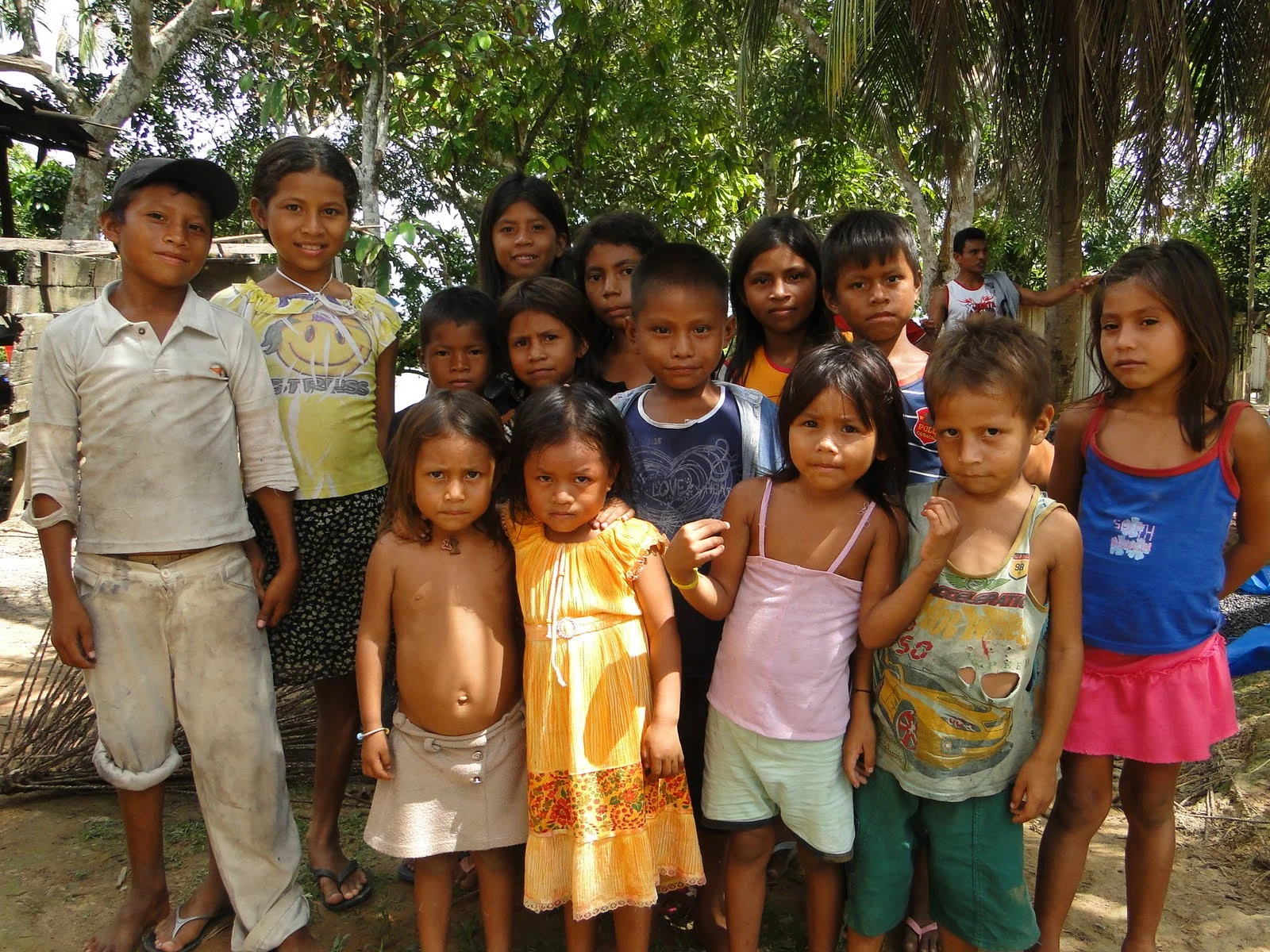
Há pessoas que pensam que moradores de tribos não precisam “trabalhar”, que vivem apenas com os seus recursos naturais. Na verdade uma boa dos indígenas já possuem alguma espécie de rotina fora do seu contexto de tribo. Uns fazem cursos profissionalizantes, outros trabalham em regiões centrais das cidades, etc.
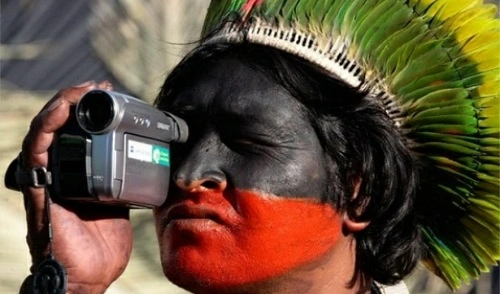
Através de conselhos é possível fazer com que os índios se integrem de uma forma bem legal. Cursos são oferecidos por pessoas que querem ajudar. Temos um exemplo bastante bonito onde um índio fez um curso de máquina de lavar e começou a trabalhar no ramo. Outro belo exemplo é de Abaeté, um habitante de uma tribo local que sempre gostou de fotografia. Através de um curso online deu inicio a sua profissão.
Outra forma bastante interessante de ajuda foi a doação de equipamentos. Certa vez, um grande cassino online brasileiro doou à tribo muitos aparelhos de musculação no âmbito da popularização e desenvolvimento do esporte e da cultura física. A partir dai se começou o estudo pelos exercícios físicos, o que futuramente pode gerar uma aptidão ás práticas esportivas na tribo. Quem sabe deste pequeno gesto não apareça no futuro educadores físicos, atletas e por que não profissionais da área da saúde?
Infelizmente ainda não são muitos os relatos de índios que conseguiram se inserir no mercado de trabalho. Sem uma ajuda inicial em grande parte dos casos fica impossível custear os valores de uma profissionalização.
É por isso que precisamos da sua ajuda!